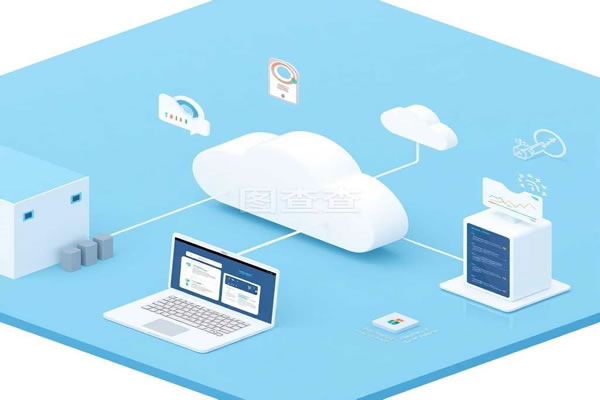
this article summarizes how to effectively shorten the business interruption time and accelerate the recovery time by formulating and regularly practicing emergency response and disaster recovery procedures when sudden physical disasters such as the server fire in singapore occur, including drill objectives, frequency, participants and technical verification points, so that enterprises can quickly iterate and improve in actual combat.
why do you need a drill to deal with business interruption after a server fire?
real-life incidents often reveal flaws in processes, permissions, and communications. through drills, the chain effects of firefighting, power outages, and network interruptions can be discovered, and the feasibility of backup and recovery, off-site switching, disaster recovery (dr) scripts, and manual operations can be verified in advance, thereby minimizing the recovery time when an event such as a singapore server fire actually occurs.
which team should lead and participate in the exercise?
the exercise requires cross-departmental collaboration: it operations, security, line of business leaders, customer support, legal and pr should all be involved. the it team is responsible for technical recovery and backup and recovery verification, the business team is responsible for business priorities and temporary processes, and the management is responsible for resource allocation and external communication. the drill is led and coordinated by a dedicated disaster recovery or risk management team.
where and how to choose exercise scenarios and frequency?
the drill scenarios should cover situations such as complete loss of the computer room, partial equipment burning, network outage and cooling system failure. it is recommended to conduct desktop drills first in a safe test environment or simulation platform, and then gradually conduct partial system fault injection and full-link drills. in terms of frequency, key systems are drilled at least once a quarter, and comprehensive drills are conducted once a year or immediately after major changes.
how many key steps should the drill include to reduce recovery time?
effective drills usually include: 1) trigger and alarm process verification; 2) personnel gathering and role confirmation; 3) data recovery and system switchover (verification rto/rpo); 4) external communication and customer notification process; 5) post-event review and improvement plan. put quantified goals at each step, such as the maximum time allowed (rto) to restore critical services, and strictly measure them in the exercise.
how to design a drill script to approximate a real accident?
the script must contain clear trigger conditions, fault impact scope, expected operations and judgment criteria. introducing random variables (such as communication failure, personnel inaccessibility) can examine emergency resilience. be sure to simulate the actual impact of business interruption on customers in the script, require business lines to provide feasible temporary alternative processes, and ensure that the drill does not only stay at the technical level.
how to evaluate the effectiveness of drills and make continuous improvements?
evaluation indicators include recovery time (rto), data availability (rpo), incident response time, decision chain latency and customer impact. a review meeting will be held immediately after the drill, a rectification list will be generated and the responsible persons and deadlines will be designated. update the review results to the disaster recovery documents and sop, and conduct the next round of drills to verify whether these improvements are effective.
where can resilience at the technical level be improved?
technically, multi-level protection must be achieved: off-site cold/hot backup, automatic cloud failover, snapshot and incremental backup, network dual routing, configuration management and automated recovery scripts. when conducting disaster recovery drills for key applications, verify database consistency, transaction rollback, and session migration to ensure the integrity and consistency of the business after the switch.
why communication and legal compliance cannot be ignored in exercises?
physical incidents create external liability and compliance risks. during the drill, the external declaration process, regulatory reporting and customer notification templates will be simulated to test who has the authority to release information and what information can be made public. ensure that the exercise complies with singapore’s local fire protection, data protection and industry regulatory requirements to avoid violating compliance provisions due to the exercise itself.
how to normalize drills and integrate them with business continuity plans?
incorporate drills into the annual risk management agenda, clarify kpis and link them to performance. use drill results to drive budget applications (such as purchasing off-site cabinets, cloud disaster recovery services). establish a drill knowledge base and automation platform, record the data and cases of each drill, and form reusable scripts and checklists to achieve the transition from "temporary emergency response" to "institutionalized protection."
- Latest articles
- Key Considerations Regarding Qualifications And Technical Support When Selecting A Service Provider For The CN2 Server Cluster In South Korea
- Recommended Singapore IPLC Dedicated Servers For Security And Compliance – Case Studies On Data Encryption And Dedicated Channel Deployment
- A Practical Guide For Nationwide Deployment Strategies And Network Coverage Optimization Based On Korean Servers
- Actual Measurement Summary Of Hong Kong Native Ip Hong Kong Cn2 Comparison With Other Mainstream Direct Connection Effect Reports
- Anonymity And Ip Pool Size That You Must Pay Attention To When Choosing A Native Proxy Ip In Vietnam
- How To Open A Vps Server In Taiwan? Analysis On Saving Money Strategies With Discounts And Long-term Contracts
- A Step-by-step Explanation Of Common Problems And Rollback Strategies For Vietnam Server Upgrades
- Cn2 Us Dedicated Server Performance Comparison And Enterprise Rental Guide Detailed Explanation
- How To Make Japanese Cloud Server Comparison And Purchase Decisions Based On Business Scenarios
- Stability Evaluation Of Taiwan’s Native Residential Ip’s Packet Loss And Delay Performance Under Long-term Connections
- Popular tags
-

Server Use Cases And User Feedback In Singapore
explore the use cases and user feedback of servers in singapore to understand the advantages and applications of singapore servers. -
Advantages And Choice Guide For Residential Servers In Singapore
this article will detail the advantages and selection guide of residential servers in singapore to help you make an informed purchasing decision. -

Methods And Solutions To Frequently Asked Questions About Connecting Computers To Singapore Servers
this article describes how to connect your computer to a singapore server, including solutions to common problems, and recommends a quality server provider.